
Key Takeaways
- AI-powered valuation tools provide personalized, up-to-the-minute pricing guidance.
- Integrating smart technology features can boost your home’s market value.
- Virtual tours expand reach and target today’s tech-savvy buyers.
- Real-time data is crucial for staying ahead of market shifts.
Setting the right listing price for your home is now a more data-driven, tech-focused process than ever before. In a landscape where property values can shift rapidly, success hinges on leveraging powerful tools and digital marketing strategies. Working alongside experienced Menlo Park real estate agents Straser Silicon Valley gives homeowners an edge by ensuring their selling strategy is built on cutting-edge insights and smart technology. As digital trends continue to reshape real estate, understanding these innovations is essential for optimal results.
The modern seller faces evolving buyer expectations and more competition thanks to online listings, algorithm-driven apps, and instant home valuations. To thrive, you must use every tech advantage available, from virtual tours to AI-driven analysis. This guide breaks down how to navigate these new waters and confidently price your home for a fast, successful sale in the digital era.
Harnessing AI-Powered Valuation Tools
The days of relying solely on comparative market analysis (CMA) and gut instincts are over. Today, AI-powered tools like Zillow’s Zestimate, Redfin’s Estimate, and proprietary broker platforms analyze thousands of data points in seconds, from recent neighborhood sales to hyperlocal trends and buyer search behaviors. These models update constantly, generating real-time, custom price recommendations that help sellers match actual buyer demand.
Incorporating AI tools into your pricing approach means fewer surprises and more competitive, data-driven strategies. With technology able to sift through broader market conditions and granular property details, you’ll avoid the pitfalls of overpricing (leading to stagnant listings) or underpricing (missing out on equity).
Enhancing Appeal with Smart Home Upgrades
Today’s homebuyers aren’t just shopping by location and square footage they’re seeking homes with cutting-edge smart features. Demand for integrated systems, from energy-saving thermostats to whole-home security, is climbing in every market segment. Simple enhancements like app-controlled lighting, voice-activated doorbells, or even automated sprinkler systems can make a significant difference in perceived value.
According to recent studies on US News & World Report, homes with smart technology not only attract more buyers but also often sell quicker and secure higher offers, since they offer tangible improvements in convenience and efficiency. If you’re considering upgrades, focus on features that deliver both energy savings and an enhanced lifestyle experience.
Leveraging Virtual Tours for Wider Reach
With travel schedules, remote work trends, and out-of-state buying on the rise, the traditional open house is quickly giving way to immersive, technology-driven showings. Virtual and augmented reality tours provide a high-impact first impression, letting buyers experience the space at their own pace from anywhere in the world. High-quality 3D walk-throughs or video tours not only capture more interest online, but they also filter out less serious inquiries.
Virtual tours can be especially critical in competitive, high-value neighborhoods, where buyers may submit offers sight unseen based on a strong digital presentation. Integrating virtual tours into your strategy expands your audience, deepens engagement, and helps position your property as the market’s most-watched listing.
Staying Informed with Real-Time Market Data
Pricing your home accurately means keeping a close eye on real-time market activity. Key data points such as average days on market (DOM), the number of recent price reductions, and the ratio of active listings to pending sales provide an early warning system for shifts in buyer behavior. For instance, in February 2025, 16.8% of U.S. home listings experienced price reductions, marking a trend that sellers can’t ignore if they want to stay competitive.
Resources like Realtor.com’s data center offer free access to the latest statistics and local analytics. Successful sellers set up alerts, track neighborhood trends, and monitor weekly market reports to adjust their pricing strategy whenever momentum shifts proactively.
Implementing Strategic Pricing Strategies
Effective pricing is about more than just matching your home to the latest comparable sale. Smart sellers break down buyer behavior by price brackets, strategically positioning their property within the “sweet spot” of common search criteria. For example, listing a property at $599,900 rather than $605,000 ensures it shows up in all searches capped at $600,000, creating more buyer exposure and competition.
It’s also wise to schedule price reviews at fixed intervals, such as every two weeks, so you can respond swiftly to low showings or major market changes. This agile approach accommodates buyer feedback and keeps your listing fresh. Teaming up with tech-savvy agents ensures your pricing is continuously refined to reflect both market realities and buyer psychology.
Conclusion
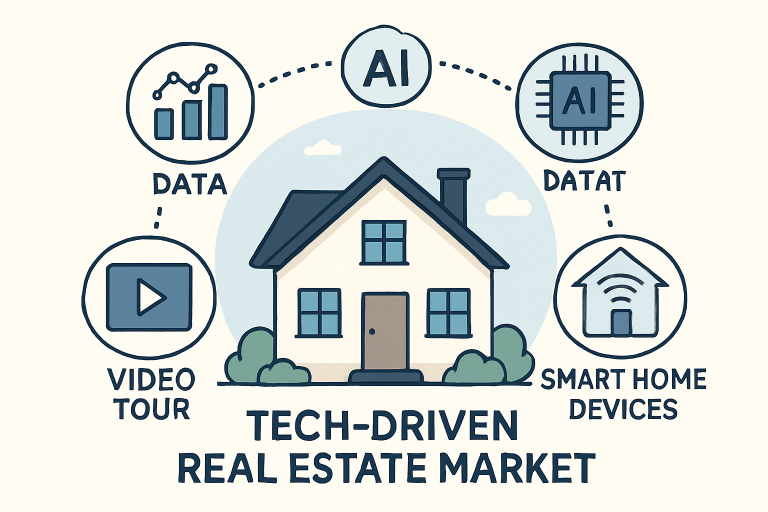
The process of pricing your home in today’s tech-driven real estate market demands a sharp focus on digital trends, emerging buyer preferences, and sophisticated analytic tools. By combining AI-powered valuations, smart home upgrades, virtual tour technology, actionable market data, and flexible pricing tactics, sellers receive maximum exposure and attract serious, qualified offers. Harnessing these innovations means not just selling your home but selling it smarter and faster.