
Understanding Brain Injuries
Brain injuries are among the most serious and life-changing accidents a person can experience. From mild concussions to severe traumatic brain injuries (TBIs), the consequences can be profound and far-reaching. Any significant blow to the head—whether from motor vehicle accidents, workplace falls, or violent sports impacts—may result in lasting cognitive, emotional, and physical impairments. When facing these challenges, victims and their families often struggle not only with medical recovery but also with complex legal matters that arise from the injury. Seeking a qualified brain injury lawyer early in the process is crucial for those aiming to protect their rights and secure their future.
The medical journey for brain injury survivors can involve months or even years of therapy, rehabilitation, and continuous care. These injuries frequently lead to a cascade of disruptions to daily life, often preventing individuals from returning to work or engaging in ordinary activities. The emotional toll on families is substantial as they navigate the steep financial and psychological costs associated with ongoing treatment.
It is essential to recognize that not all brain injuries present immediate, visible symptoms. Sometimes, the full impact only becomes apparent weeks or months after the accident. Delays in getting proper legal help can make it harder to prove damages and establish a clear link between the incident and the injury—especially in cases involving third-party negligence or disputed liability.
The Role of Personal Injury Lawyers
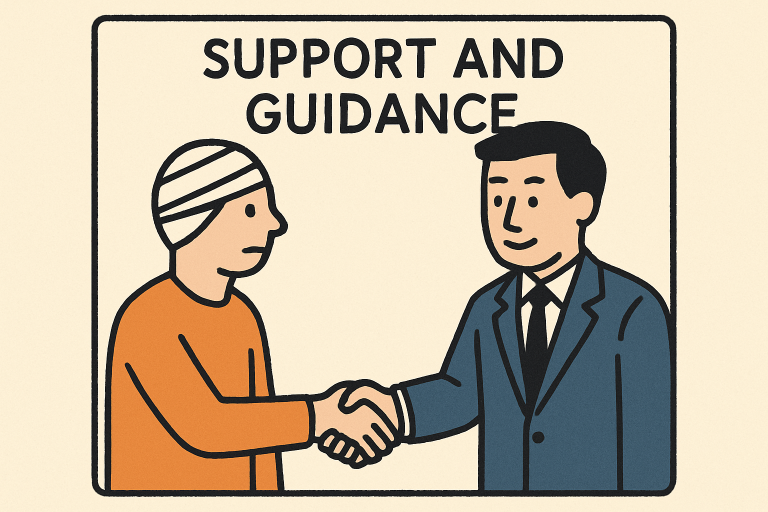
Personal injury lawyers are essential allies for individuals seeking fair treatment after a traumatic brain injury caused by another party’s mistake or carelessness. Atty Nickolas Connelly, Personal Injury Lawyer, has extensive experience helping clients navigate these complex cases, ensuring their rights are protected and advocating for the compensation they deserve. These attorneys are well-versed in the nuances of personal injury law and uniquely prepared to navigate the obstacles placed by insurance companies, employers, or property owners unwilling to accept fault. Their goal is clear: to obtain maximum compensation for medical costs, therapy, lost wages, and personal suffering, enabling victims to focus on healing and rebuilding their lives.
Key Responsibilities of Personal Injury Lawyers in Brain Injury Cases
1. Comprehensive Case Evaluation
A trusted lawyer begins by diving into every aspect of the incident that led to the brain injury. This phase goes beyond surface-level details—lawyers scrutinize medical records, police and accident reports, and witness testimonies to build a cohesive timeline and pinpoint who is legally responsible. A careful evaluation lays a strong foundation for a successful claim and can help prevent critical evidence from being overlooked or lost.
2. Gathering and Preserving Evidence
Effective legal action depends on hard evidence. Personal injury attorneys meticulously gather and preserve key pieces of documentation, from initial emergency room assessments to ongoing neurological evaluations. Accident scene photographs, medical charts, and even surveillance footage are collected to establish liability and demonstrate the full impact of the injury. Notably, collaboration with experts in accident reconstruction can provide compelling support to the client’s case.
3. Collaborating with Medical Experts
Because brain injuries require specialized treatment, lawyers work closely with neurologists, neuropsychologists, and rehabilitation specialists. Medical experts play a pivotal role by providing clear testimony on the severity of the injury, likely outcomes, and long-term care requirements. Their insight ensures that the victim’s future needs—such as home modifications or lifelong support—are fully considered in any settlement or court case.
4. Negotiating with Insurance Companies
Insurance adjusters are trained to minimize payouts and may attempt to deny or undervalue claims related to brain injuries. Lawyers bring skilled negotiation tactics to the table, demanding fair compensation for the victim’s direct losses, as well as for intangible damages such as pain and suffering or diminished quality of life. By addressing insurers’ attempts to shift blame or question the need for specific treatments, lawyers ensure that no aspect of the injured party’s situation is ignored.
5. Litigation Support
When out-of-court negotiations fail to produce an acceptable outcome, personal injury lawyers stand ready to litigate. Through discovery, expert witness testimony, and effective presentation of evidence, they represent clients assertively before judges and juries. Success often depends on preparing a persuasive narrative that highlights both the cause and impact of the brain injury, as well as the negligent actions that led to it.
Choosing the Right Personal Injury Lawyer
Selecting an attorney with extensive experience in brain injury litigation can make a significant difference in the outcome of your claim. Critical qualities include a strong track record in similar cases, an in-depth understanding of the medical science behind brain injuries, and a client-focused approach to communication and advocacy. For guidance on finding a qualified attorney and understanding what to look for in a personal injury lawyer, resources like Forbes Advisor can be invaluable. It is also advisable to ask for references, inquire about past case outcomes, and ensure you feel comfortable with their approach to handling sensitive matters.
Conclusion
Recovering from a brain injury is a daunting journey, but no one should have to walk it alone. With the proper legal representation, victims can confidently address the complex issues brain injuries raise and secure the compensation necessary for their ongoing care and quality of life. Personal injury lawyers supply not only the legal guidance but also the support needed to hold negligent parties accountable and promote brighter futures for those living with brain injuries.