
Key Takeaways
- Robotic-assisted hip replacement offers greater surgical accuracy, resulting in improved implant positioning and alignment.
- Patients often experience reduced recovery times and improved joint function post-surgery.
- Surgeons benefit from advanced planning tools and real-time feedback during procedures.
Robotic-assisted hip replacement surgery is rapidly transforming the landscape of orthopedic care, combining surgical expertise with state-of-the-art technology for superior patient outcomes. As more medical institutions adopt these robotic systems, patients are discovering new approaches to joint health and recovery. For those seeking an experienced hip replacement surgeon using robotic technology, the integration of robotics offers several compelling benefits that traditional techniques may struggle to match.
This article explores the latest advancements, benefits, and key considerations associated with robotic-assisted hip replacement. By understanding the role of robotics in surgery, patients and medical providers are better equipped to make informed decisions about hip joint care.
Understanding how robotic systems work, as well as their real-world impact in the operating room, helps underline why these advancements matter. The focus on patient-specific solutions and minimally invasive approaches exemplifies the commitment to improved health outcomes and a higher quality of life for patients undergoing these procedures.
Moreover, the embrace of digital planning and intraoperative guidance empowers both patients and surgeons to anticipate and manage every detail of hip replacement, reducing uncertainty and enhancing the overall experience. As new developments arise in robotic hip surgery, understanding the nuances of these tools is more essential than ever.
Understanding Robotic-Assisted Hip Replacement
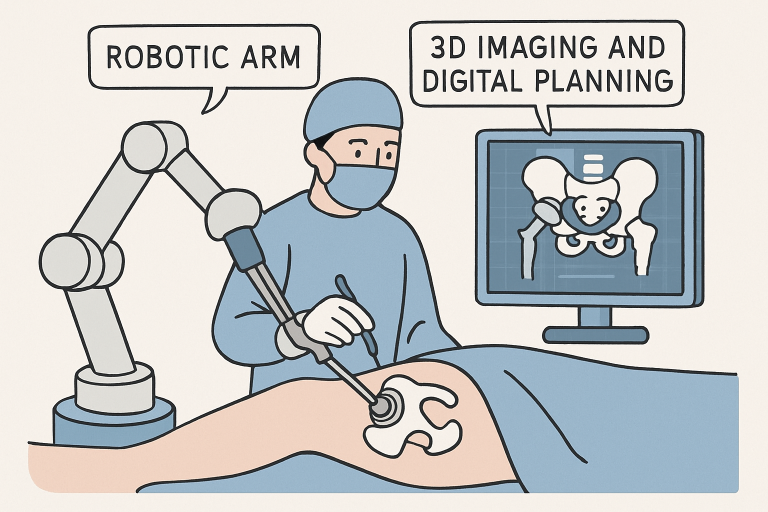
At the heart of robotic-assisted hip replacement lies a sophisticated blend of preoperative imaging and computerized surgical guidance. Surgeons use 3D models generated from high-resolution scans, enabling them to precisely plan the optimal placement of implants well in advance of entering the operating room. These digital blueprints account for the patient’s unique anatomy and movement, reducing the guesswork involved in traditional methods.
During surgery, the robotic system provides real-time assistance, tracking the surgeon’s tools and ensuring they stay within defined parameters. This active guidance significantly bolsters the precision of the operation, minimizing variations that can occur with manual-only approaches. Surgeons retain full control while leveraging the robotic arm’s accuracy for a smoother, safer procedure.
Benefits of Robotic Technology in Hip Surgery
The clinical advantages of robotic-assistance have been widely supported by orthopedic research and patient reports. Notable benefits include:
- Enhanced Precision: By guiding instruments within predefined zones, robotic systems enable the accurate placement of hip implants, directly reducing the risk of misalignment and subsequent complications.
- Personalized Surgical Plans: Each case benefits from a tailored approach thanks to 3D modeling and pre-surgical planning, which are designed around each patient’s anatomical needs.
- Minimized Tissue Damage: The system’s ability to plan smaller incisions and target specific areas minimizes damage to muscles and surrounding tissue, reducing postoperative pain and scarring.
- Improved Recovery Times: Minimally invasive techniques and efficient implant positioning often lead to quicker rehabilitation and a faster return to normal activities for patients.
Robotic-assisted procedures have also demonstrated the potential to decrease the risk of repetitive revision surgeries, as precise alignment improves the longevity of the implant and overall joint function. According to a report by Healthline, these technological advancements are associated with a more predictable recovery and increased patient satisfaction, supporting the widespread adoption of robotics in joint replacement surgery.
Recent Developments in Robotic Hip Surgery
Across the United States, leading medical centers have begun implementing state-of-the-art robotic systems in the operating room. For instance, Dartmouth Health’s initiative to adopt robotic-assisted technology is pioneering new standards for hip and joint replacement surgery. Early data from such programs suggest a notable improvement in the rate of surgical success and patient-reported outcomes.
Many of these latest systems provide real-time intraoperative data, allowing surgeons to make adjustments as needed during surgery rather than relying solely on preoperative plans. These adaptive features are especially valuable for addressing the dynamic challenges presented by complicated cases or unique patient anatomies. As new generations of systems enter the market, ongoing research continues to refine hardware, artificial intelligence algorithms, and user interfaces to further optimize safety and consistency of outcomes.
Considerations for Patients
Despite the remarkable advantages of robotic-assisted hip replacement, it is not suitable for everyone. Patient eligibility often hinges on several key factors, including bone quality, pre-existing medical conditions, and the complexity of the required surgery.
- Eligibility: Robotic surgery may not be available to those with poor bone health or significant anatomical abnormalities. A thorough preoperative screening with an orthopedic specialist is essential.
- Surgeon Experience: The learning curve and technological demands of robotic-assisted procedures mean that overall success is highly dependent on the surgeon’s expertise with the system.
- Cost and Accessibility: While the benefits are clear, not all insurance providers cover robotic surgeries, and access may be limited to certain high-tech medical centers. Patients should discuss logistical and financial aspects thoroughly with their healthcare provider.
The Future of Robotic-Assisted Hip Replacement
The trajectory of research and innovation in robotic hip replacement continues to ascend. Emerging technologies aim to expand eligibility criteria, drive down procedural costs, and enhance long-term results through integration with AI-powered predictive analytics and “smart” implants. New developments in materials science and digital health monitoring are poised to further set a new standard in post-arthroplasty care. For a comprehensive overview of the trends shaping the future of orthopedic surgery, visit the Penn Medicine resource on robotic hip replacements.
Conclusion
Robotic-assisted hip replacement surgery has established itself as a transformative tool in orthopedics, merging data-driven planning and surgical expertise to deliver highly individualized, minimally invasive procedures. Both surgeons and patients benefit from these cutting-edge systems, enjoying greater confidence in surgical outcomes and accelerated recoveries. As the technology continues to evolve, staying informed about the possibilities and considerations of robotic-assisted care is crucial for those navigating joint replacement options.