
Imagine being able to adjust your home’s temperature, lighting, and security systems with just your voice or a tap on your smartphone. This reality has arrived thanks to smart home technology, which is changing the very nature of modern living. From creating seamless daily routines to boosting home security, smart solutions offer extraordinary convenience and peace of mind for homeowners. To explore more modern home solutions, visit Your Home Wichita.
As smart homes become more accessible, families can save money, improve their health, and enjoy tailored entertainment experiences. Automation brings a new level of comfort, allowing people to focus on what matters most and spend less time on chores or worrying about energy waste. The future of living is shaped not just by new gadgets but by holistic systems that transform everyday life for the better.
Enhanced Convenience Through Automation
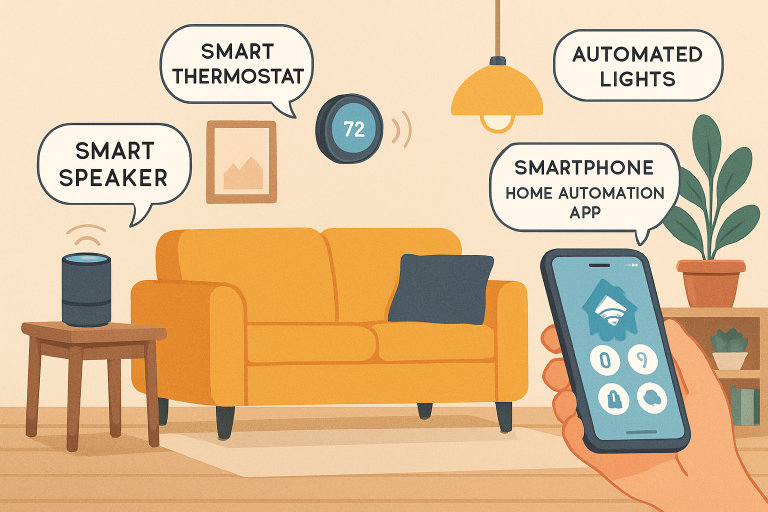
Automation is the backbone of the smart home revolution. By connecting devices like thermostats, lights, shades, and even coffee makers, homeowners can automate their daily routines. Waking up to a pre-heated house, lights adjusting automatically based on the time of day, and locking doors remotely are now commonplace features. Not only does this streamline daily activities, but it also allows residents to focus on more meaningful parts of their lives, trusting their homes to handle the rest.
Custom routines can tailor settings to individual schedules. For example, bedrooms can dim the lights at bedtime and play calming sounds, while morning routines brighten the space and start the day with the news. This level of personalization reduces stress and increases comfort. According to experts at The New York Times, effective automation setups not only save time but also improve mood and productivity by creating intuitive home environments.
Energy Efficiency and Cost Savings
Reducing energy bills is a major motivator for homeowners embracing smart technology. Smart thermostats, such as those from Nest or Ecobee, learn your preferences and adjust settings automatically to provide comfort while minimizing unnecessary heating or cooling. Smart light bulbs and switches can detect when rooms are empty and turn off automatically, resulting in significant energy savings over time.
With monthly utility costs on the rise, these small savings add up quickly and can often offset any initial setup costs within a couple of years. A recent CNET article highlights how integrating energy-efficient smart devices can yield both environmental benefits and lower costs, ultimately enhancing financial well-being.
Improved Home Security
One of the most profound shifts in modern living is the ability to secure your home from anywhere. Smart security solutions typically include connected camera feeds, motion sensors, smart doorbells, and locks that give you control from your phone or tablet. This real-time monitoring provides instant alerts in case of break-ins or unusual activity. Some systems integrate with local emergency services, allowing homeowners to quickly summon help if needed.
Gone are the days of worrying about whether you locked the door or left a window open before leaving. Now, push notifications and live video streams offer assurance that your property and loved ones are protected, even if you are halfway around the world. The value of this peace of mind cannot be overstated.
Health and Wellness Monitoring
Increasingly, smart homes are contributing to better health. Devices monitor indoor air quality, track humidity, and ensure optimal lighting, all crucial factors for family well-being. Some homes now feature sensors that alert you to allergens or dangerous air pollutants, prompting you to open a window or adjust ventilation. Automated water quality monitors are helping families ensure that their tap water meets safety standards.
Because most people spend a large portion of their time indoors, these advances have a meaningful impact. Health-oriented smart systems, sometimes integrated into wider wellness platforms, offer remote caregiver updates, medication reminders, or emergency response features, making technology a true partner in daily health.
Aging in Place with Smart Technology
For older adults wishing to remain in their homes as long as possible, smart technology is a game-changer. Systems that send medication reminders, detect falls, or automatically notify loved ones in case of emergency are now readily available. Motion sensors throughout the house can provide gentle guidance or warnings, while voice assistants help users make calls, set reminders, and manage daily activities with ease.
Smart home technology also offers remote monitoring tools for family members and caregivers, allowing them to check in and offer support while preserving seniors’ independence.
Entertainment and Home Theater Experiences
Entertainment is another area seeing remarkable improvements thanks to smart home integration. Imagine adjusting the lights, sound system, and even curtains with a single voice command to set the perfect scene for movie night. Centralized control hubs allow users to effortlessly manage streaming services, music, and smart TVs, ensuring every viewing or gaming experience is immersive and personalized.
Multi-room audio setups and responsive lighting add ambiance, elevating home gatherings and making daily relaxation intuitive and enjoyable. These integrated experiences are now within reach for many families, reshaping what is possible within their living rooms.
Voice Control and AI Integration
Artificial intelligence (AI) and voice assistants have rapidly moved from luxury items to everyday essentials. Devices like Amazon Alexa and Google Assistant act as the brain of the smart home, connecting with lighting, appliances, security systems, and even kitchen gadgets. This level of control means that daily tasks quickly become hands-free, saving time and making homes more accessible to children and older adults alike.
AI-driven learning also ensures that the more you interact with your home, the smarter it becomes. Your favorite playlists, preferred temperature settings, and routine patterns shape how your home responds, creating an environment tailored to you.
Future Trends in Smart Home Technology
Looking forward, smart home technology is on a path of rapid evolution. Increased integration of health and wellness features, deeper learning through AI, and even more unified ecosystems will soon be standard. Homes will likely anticipate needs before they are voiced, managing everything from grocery orders to personalized lighting and climate routines.
As innovation continues, expect homes to offer even greater support for sustainability, aging, and health. With these advancements, the promise of smart homes to redefine how we live is just beginning, ensuring that tomorrow’s homes are even safer, healthier, and more comfortable than ever before.